© Sam De Buysere
Exhibition text:
Dear Simon,
In your recent series, you make sculptural reproductions of existing paintings, and I have been wondering for quite some time now what that means. For years I have been fascinated and bewildered by the role assigned to images, the status we grant them, and what images themselves might be capable of producing.
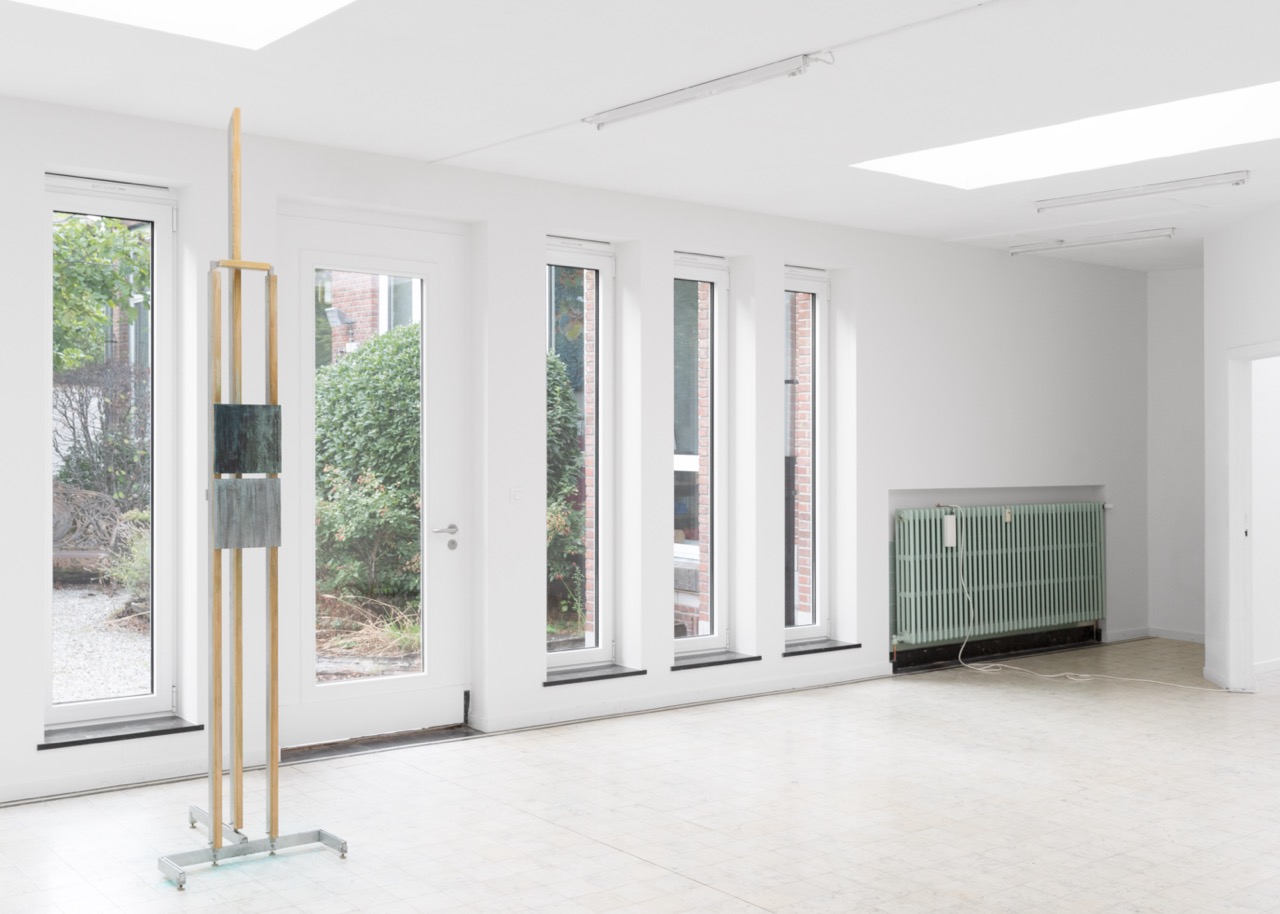
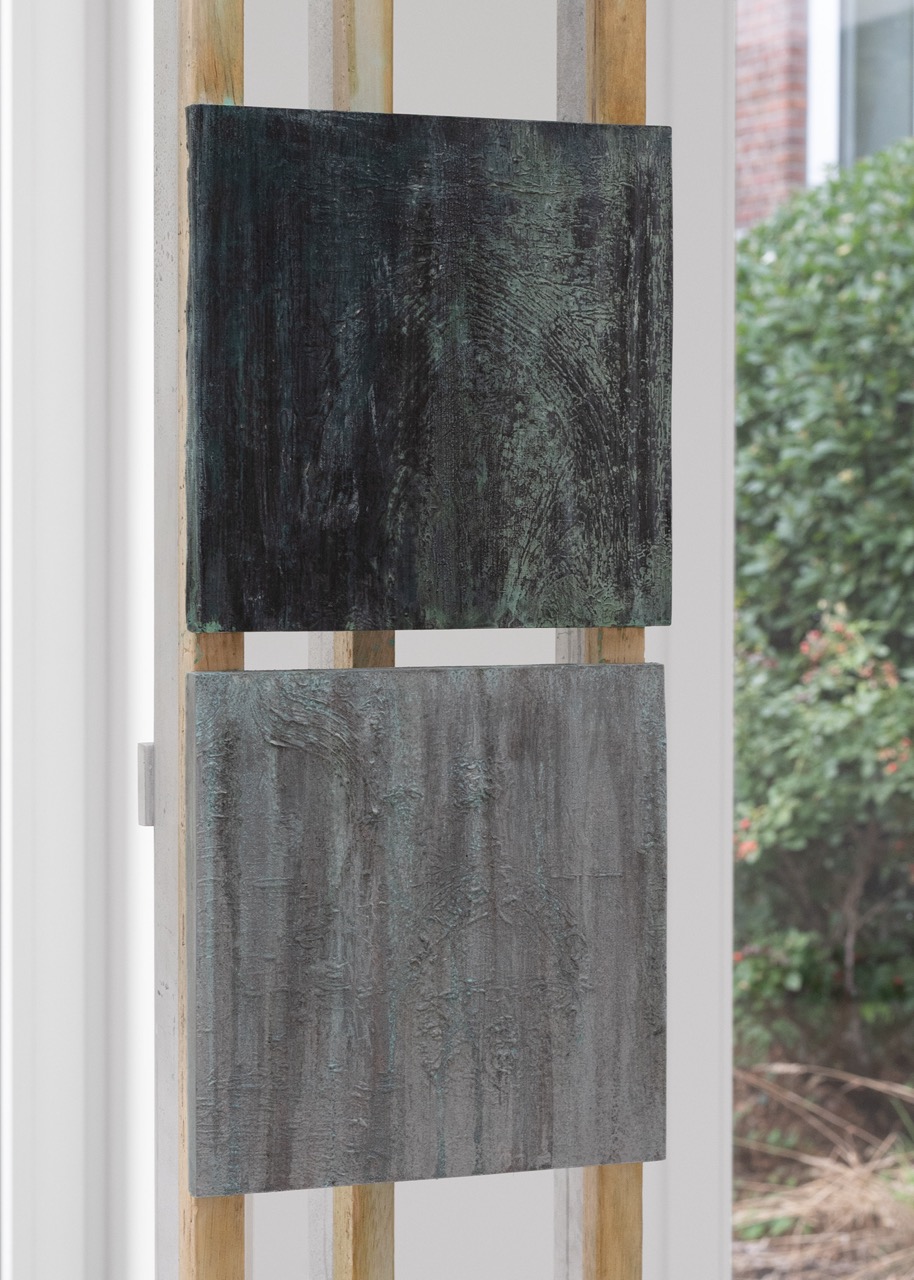
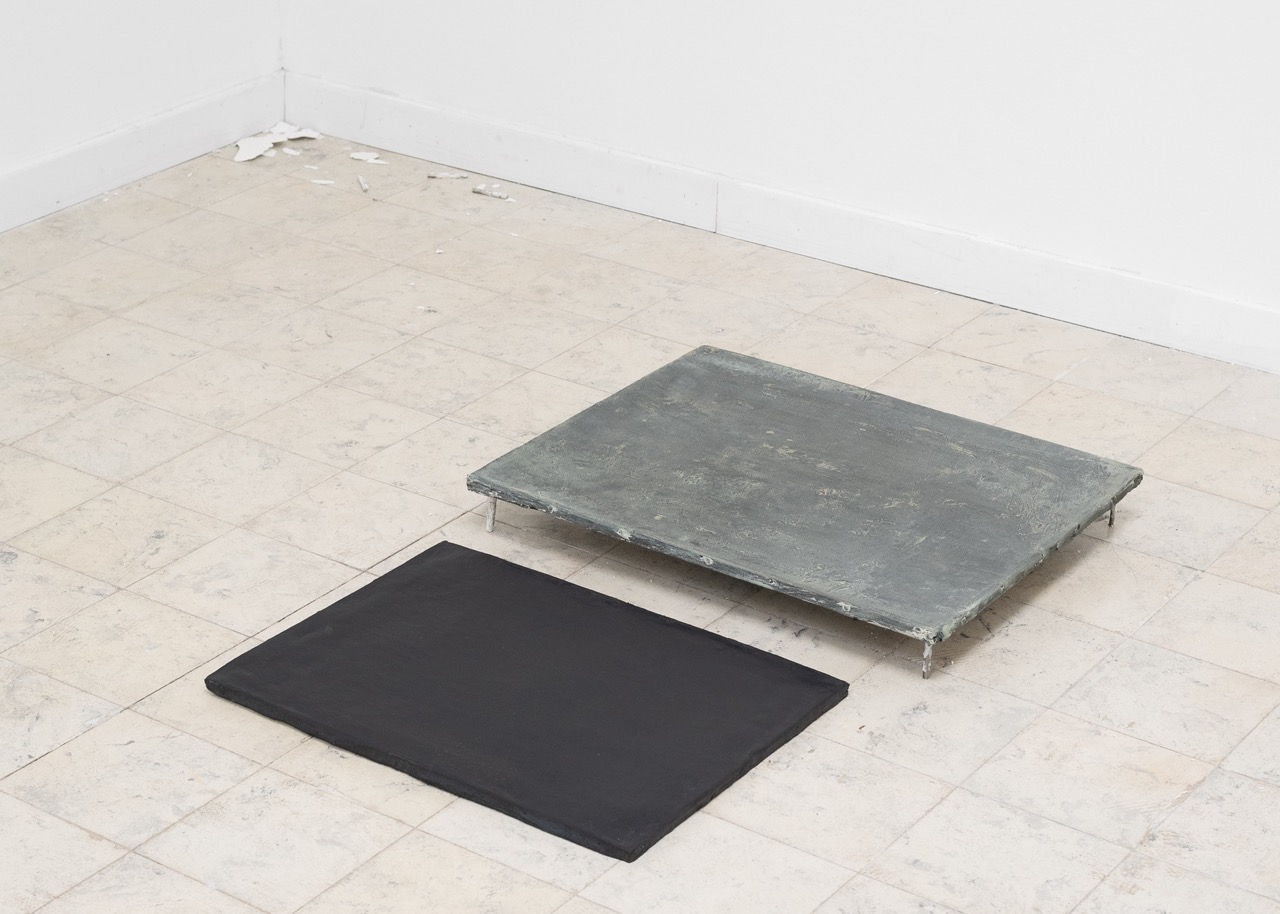
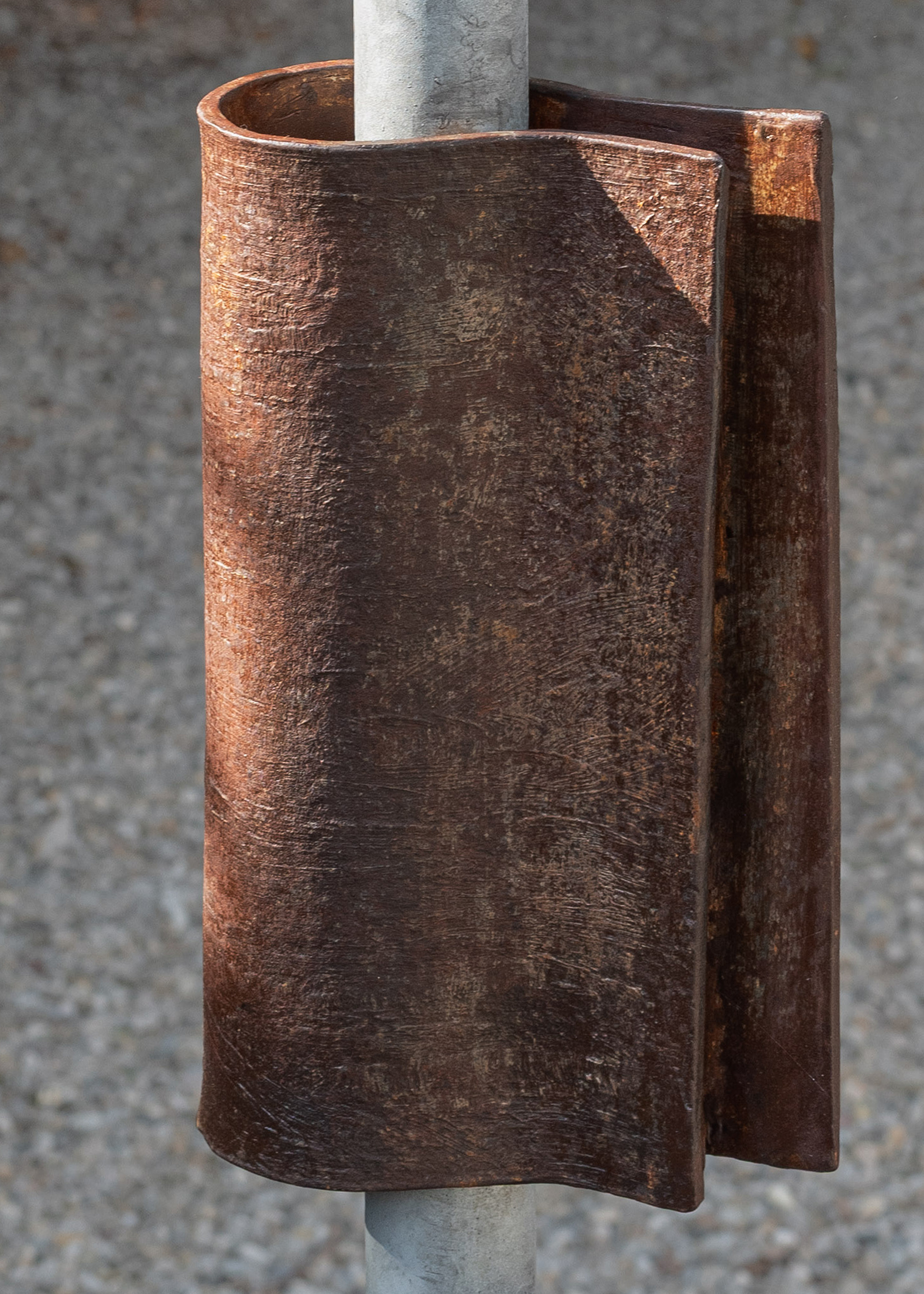
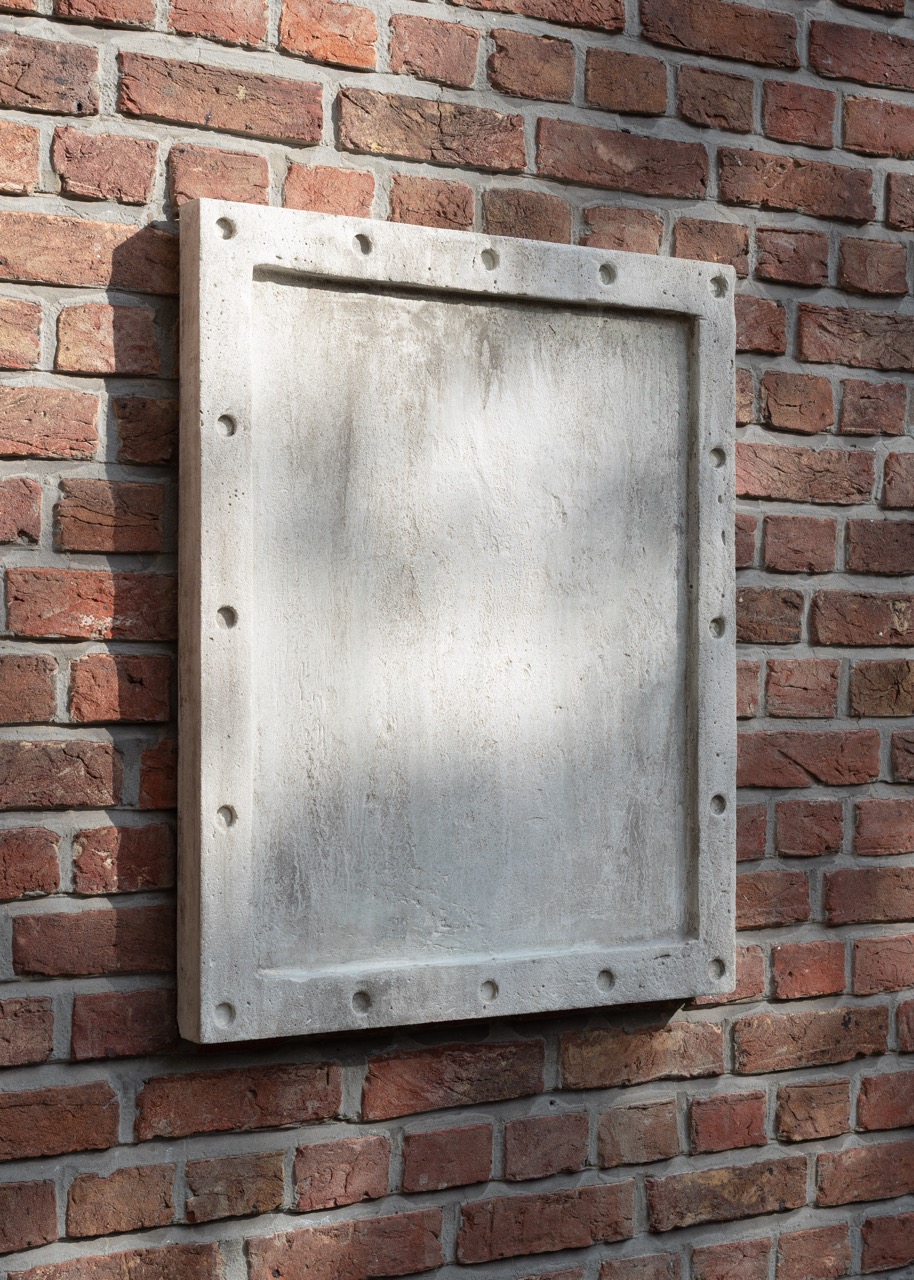
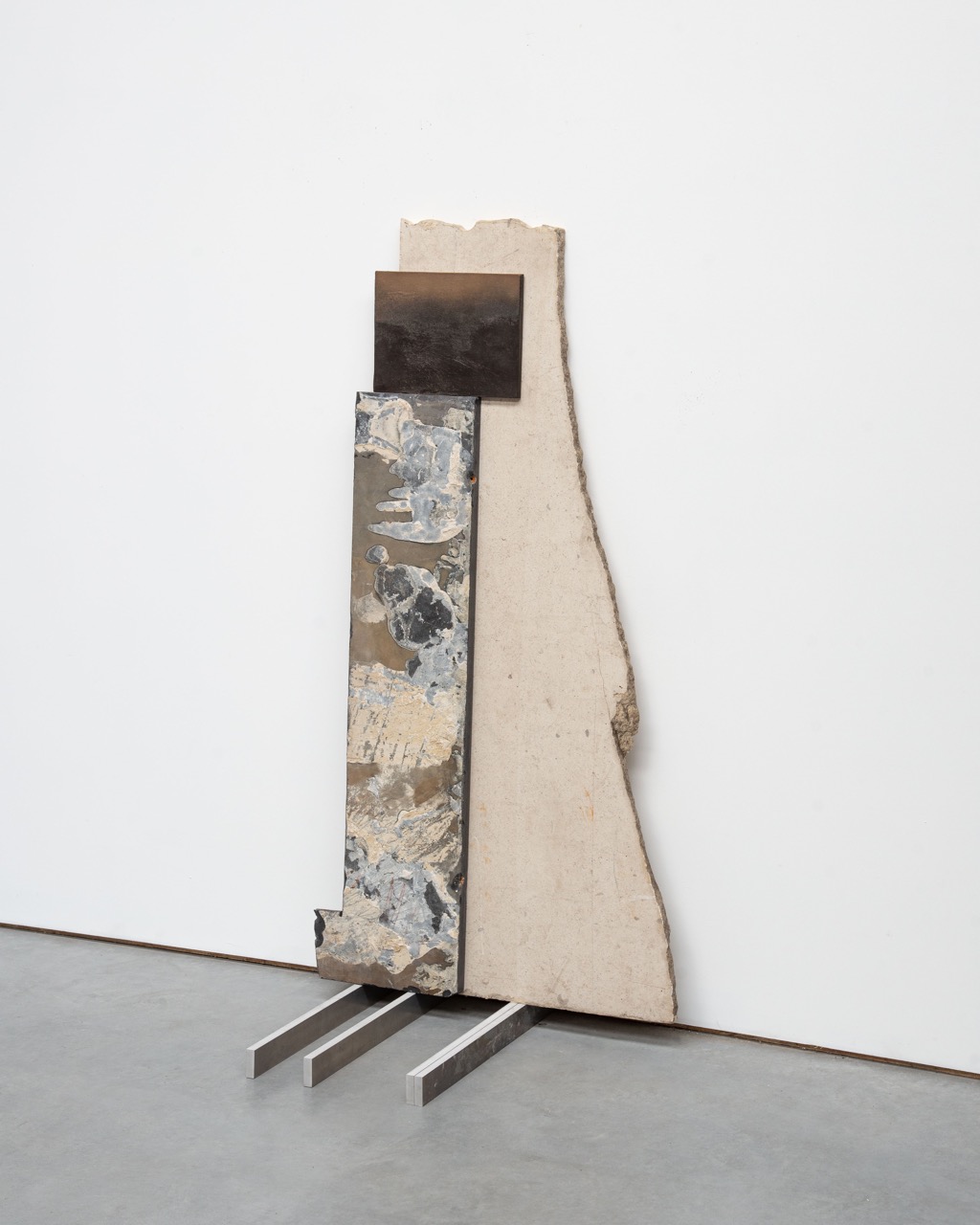
Your work restores attention to partially forgotten paintings by not-yet- entirely-forgotten painters. In the same gesture, you also perform a violent act: the images, which in themselves have never been able to move or speak, petrify into metal sculptures in your works. It is not yet entirely clear to me what exactly it is you take away from them. Figuration? In that sense, your reiterations might just as well constitute a great liberation, one that frees them or allows them, at last, real expression. The paint reveals itself as defiant, and you render them even more distinctive. It is precisely here that the images begin to speak again, maybe more expressively than ever.
At the same time, they are works of art, thoroughly determined by their authors: in this form, by you, and in their original form, by the signatures of others. It is as if you make the original works take place anew, in another guise. I find I can read them both as tender homages and as radical iconoclasm. I’m curious how you see it.
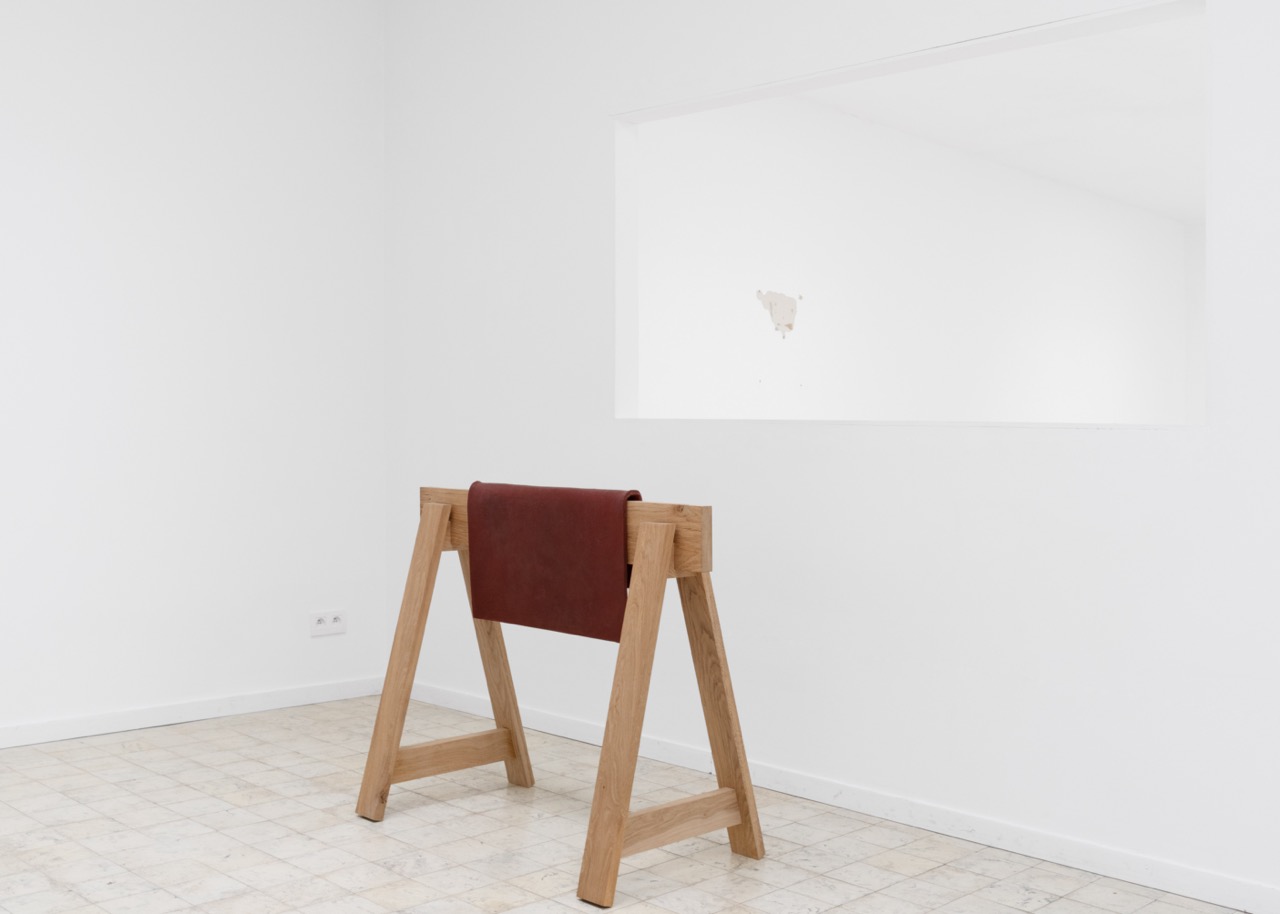
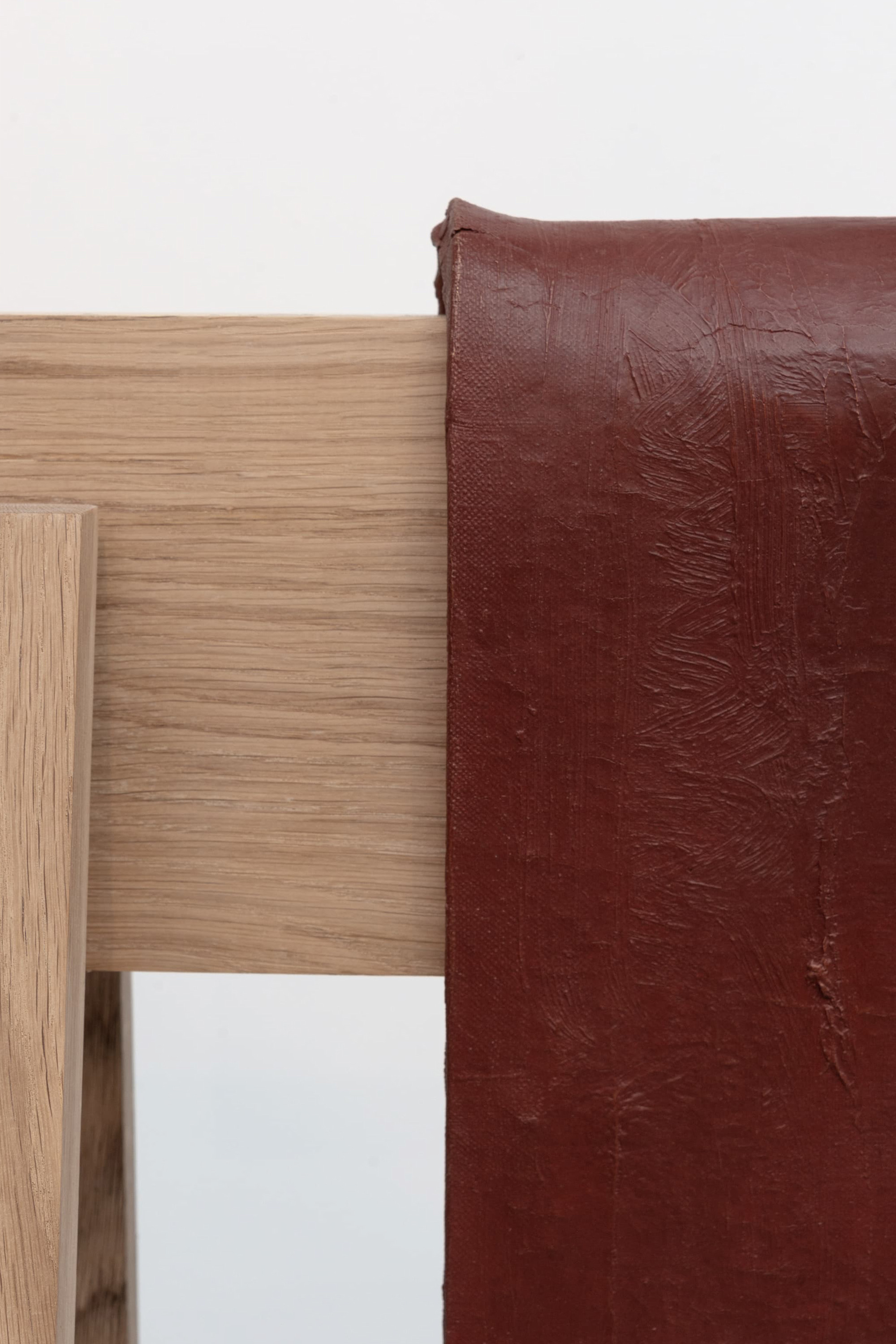
Perhaps more fundamentally, it seems to me that you are proposing a récit autorisé, an authorized performance from your own authorial position, superimposed onto the existing paintings. When, and how, does a painting take place? When it lies carelessly resting on a trestle in a workshop?—a nonchalance that you also thoroughly destroy and monumentalise through the precision and polish of the trestle.
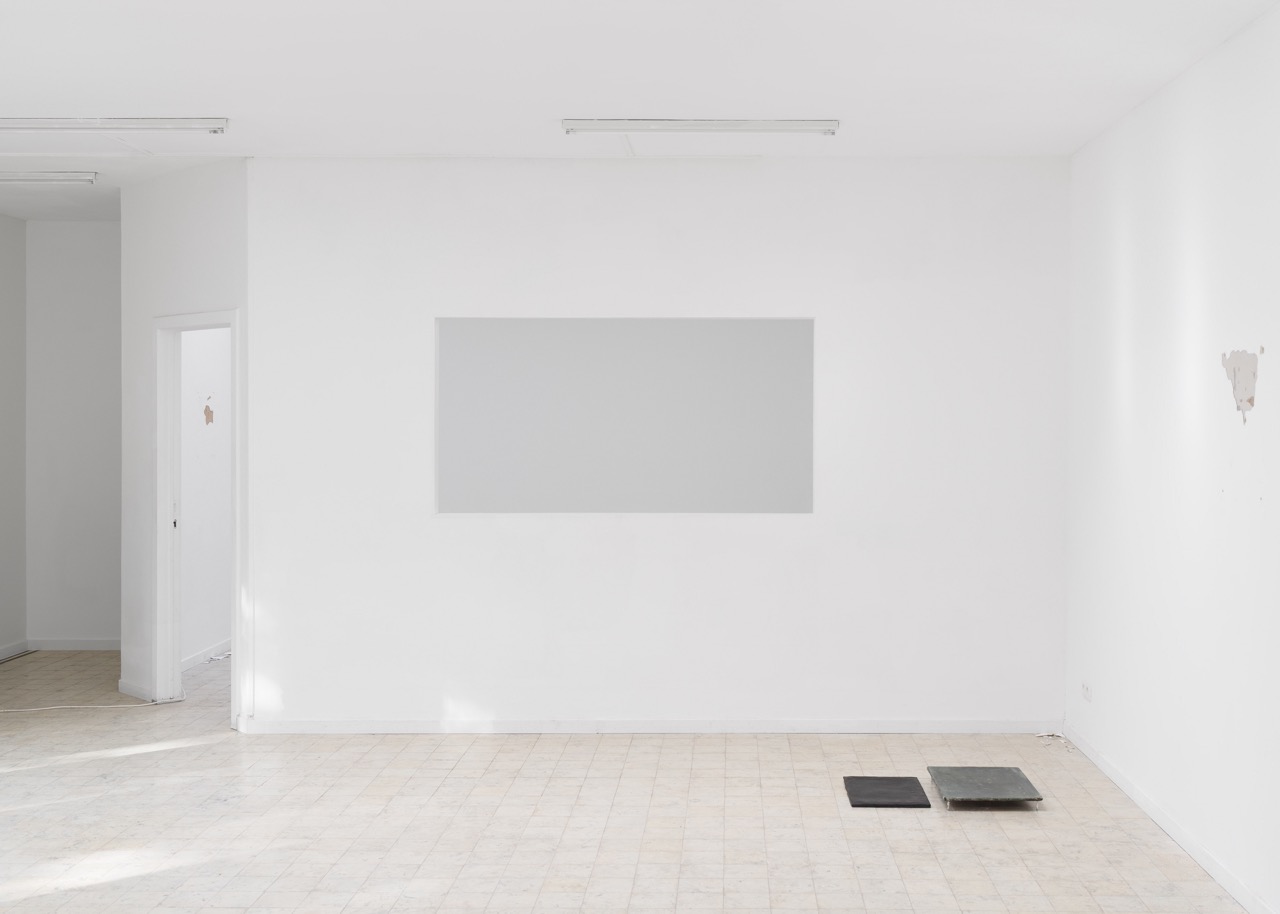
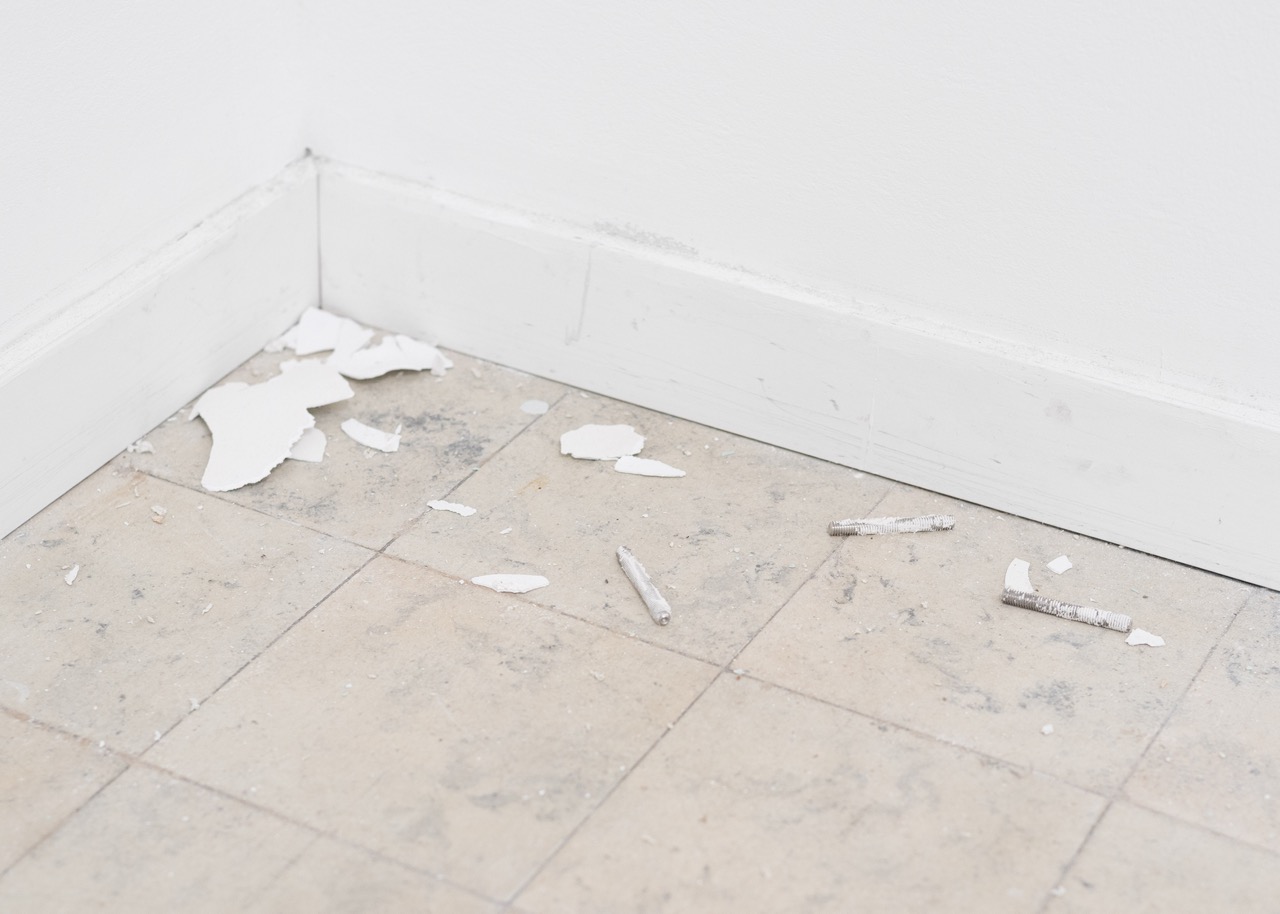
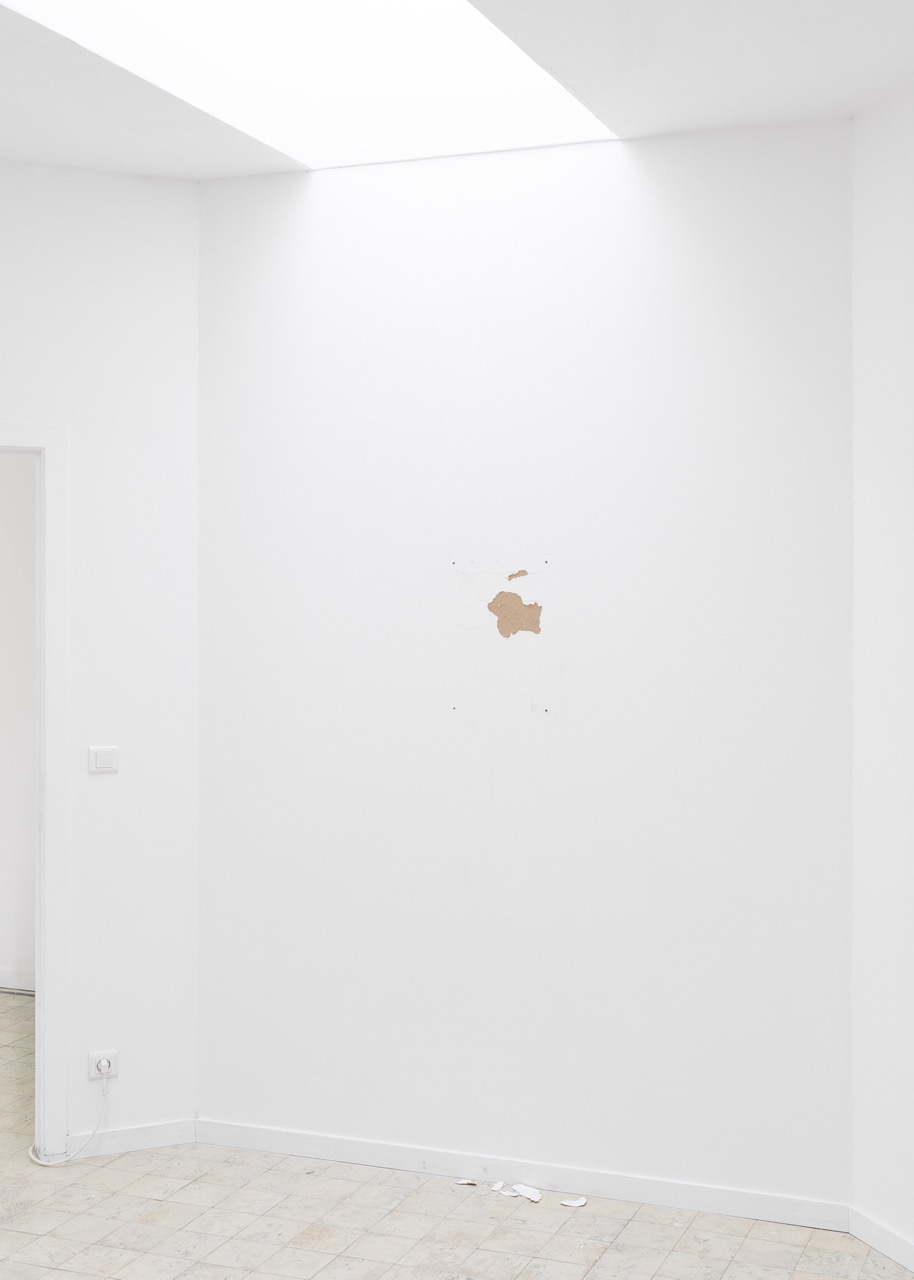
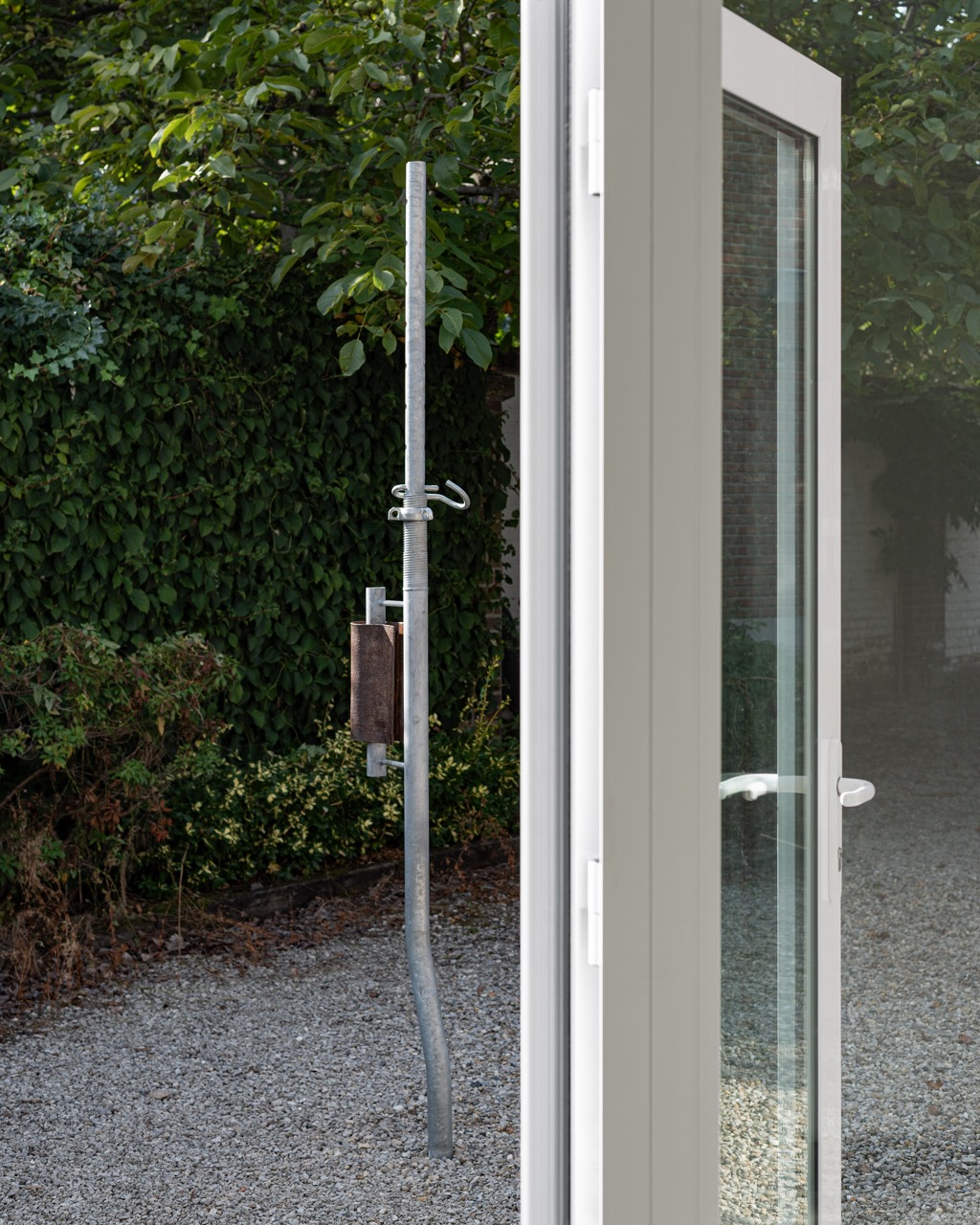
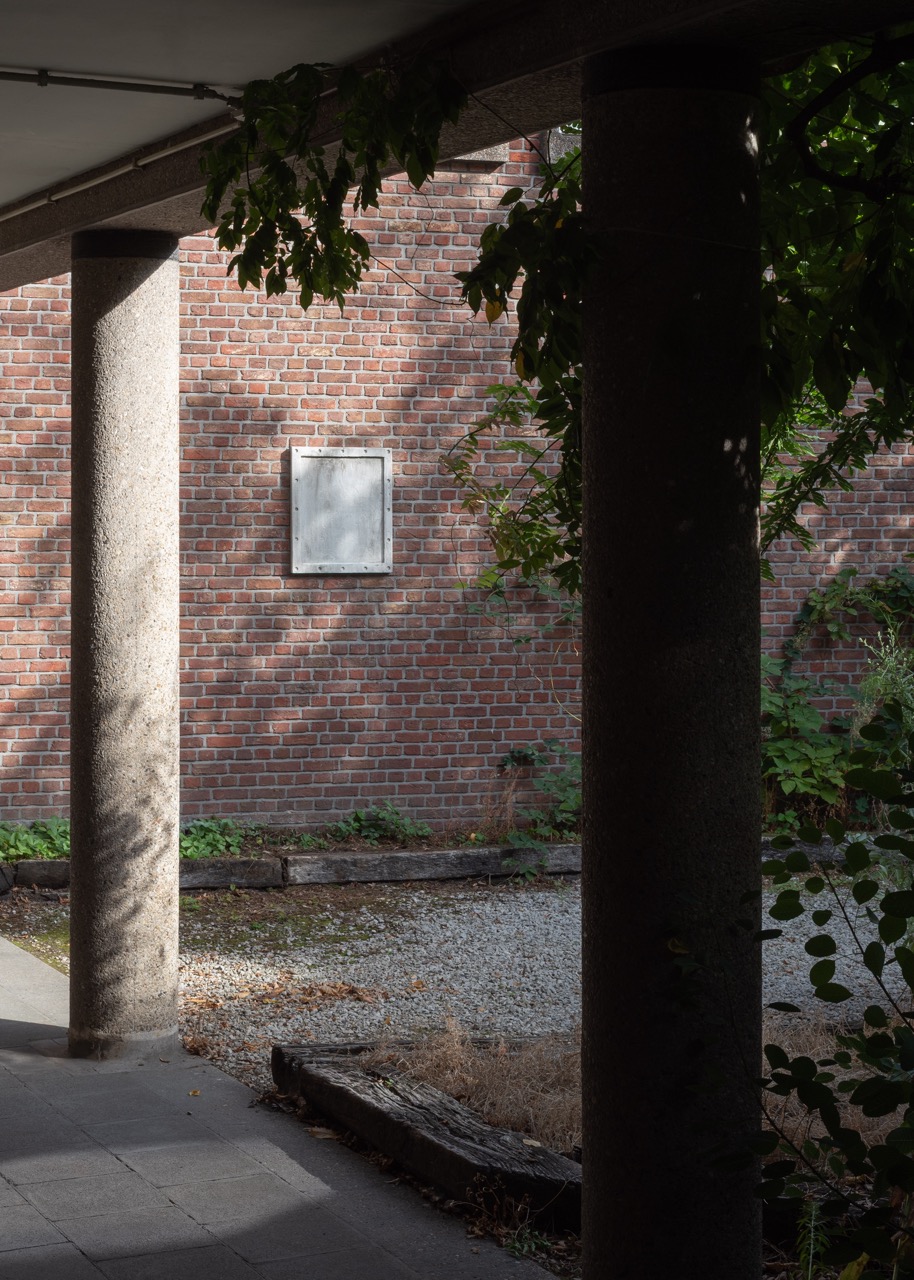
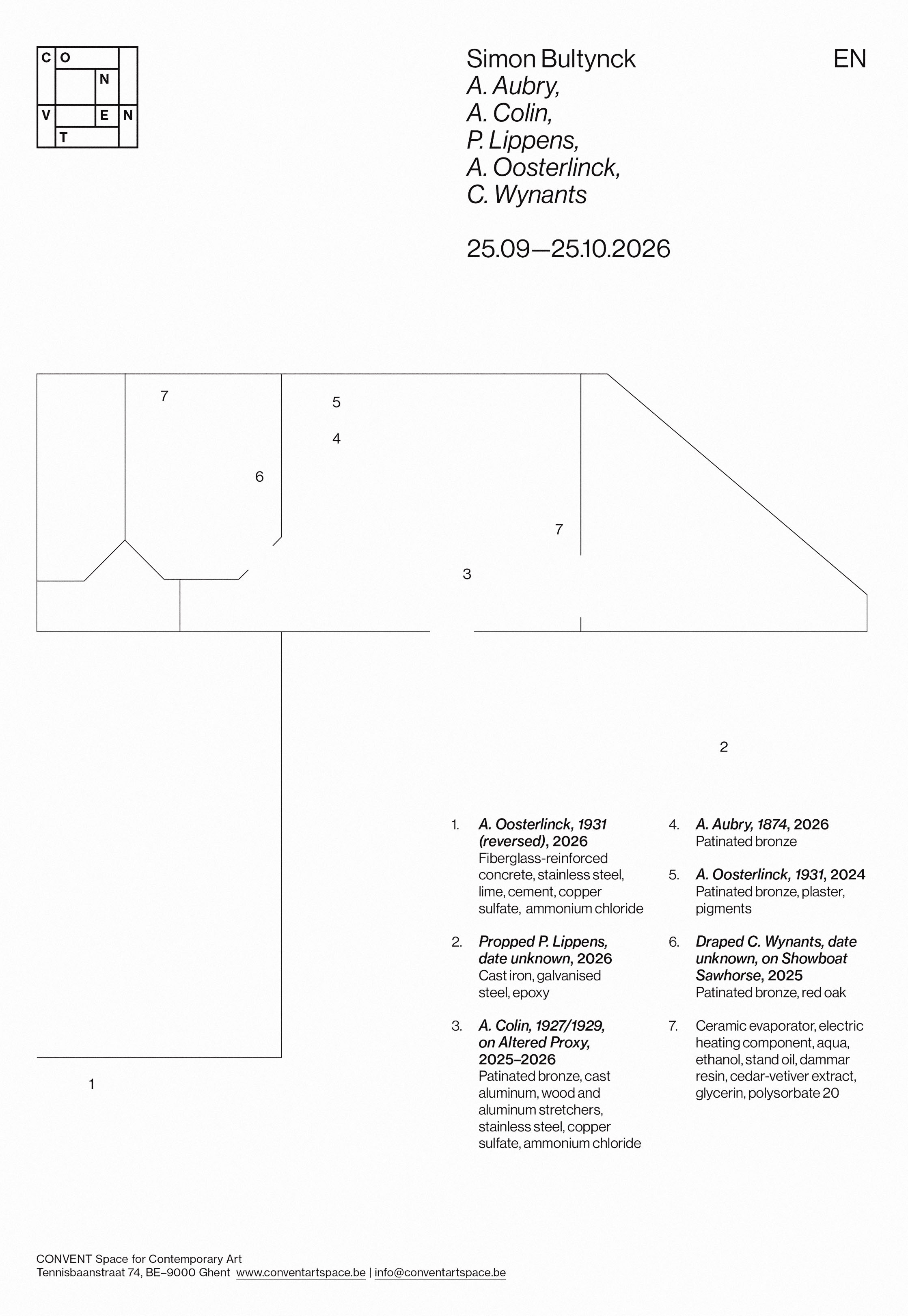
This question of where and how a painting takes place also enters the exhibition itself. The trestle and the easel refer to precedents such as those of Carlo Scarpa, but above all evoke a surreal studio situation. The acids with which you treated the fragments of Colin's works leave traces on the easel and on the floor. It is somewhat as though they were made here, as though this were a temporary studio. At the same time—and this has always characterized your work—we, the audience, immediately recognize that these traces are staged.
This scenographic game is pushed further still in this exhibition. The paradox is heightened by the smell of oil paint that fills the room, yet seems to come from nowhere. It brings to mind the painter's studio: its smells, colours, clutter, studies, painting materials. The sculptural brushstrokes now seem to hold the fragrant traces of the mythical space where the paintings once came into being.
Fascinated as ever,
Louis De Mey
Nothing in Particular
Groupshow opening on October 11 at
Settantotto
Frederik Burvenichstraat 78 | 9050 Ghent
Opening: 11 a.m.–6 p.m.